
GLOBALWASTECONTROL.COM
Recycle - Environment - Sustainability - Digital EcosystemProfile Description
Low Head Hydro Technology - SEEKING INVESTMENTS
Using the drop in a river or tidal flows to create electricity can provide a renewable energy source that will have a minimal impact on the environment. Low head hydro captures the kinetic energy of rivers, channels, spillways, irrigation systems, tides and oceans.
From Wikipedia:
Within low-head hydropower there are several of standard situations:
Run-of-river hydroelectricity (ROR) is a type of hydroelectric generation plant whereby little or no water storage is provided. Suitable locations include weirs, streams, locks, rivers and wastewater outfalls.
Tidal power - in combination with a lagoon or barrage the tides can be used to create a head difference.
The first commercial tidal power plant is La Rance Barrage which is located in Brittany, France. It has the total installed capacities of 240 MW. Its annual output is approximately 600GWh. It is lower than most traditional types of power plants such as nuclear or natural gas, however, the cost per kWh is comparable to other forms of sustainable energy.
www.energyeducation.ca

Competitive Advantage
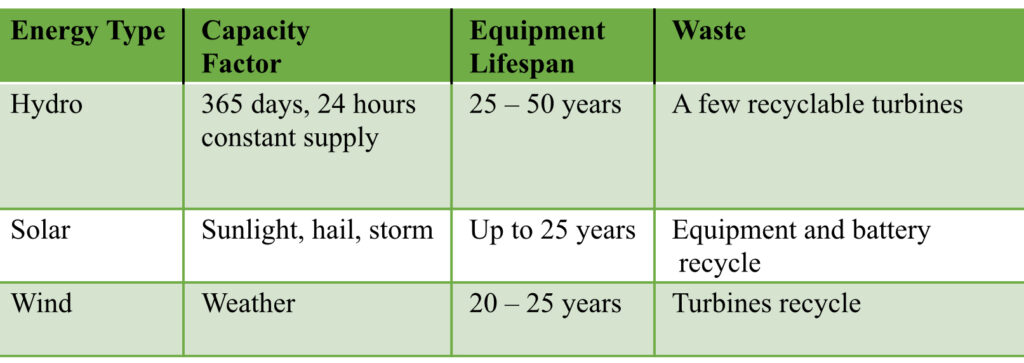
Compared with pump hydro, low head hydro does not need to pump up water to a reservoir. Compared with solar and wind power, it does not need to build battery storage facilities. Hydro power has distinct competitive advantage against solar and wind energy.
Crisis and Opportunities
The global electricity market is struggling to provide clean and reliable supply of energy so that coal-fired power stations can be shut down. Converting the energy in tidal and river currents to electricity can provide a predictable and reliable supply of electricity to the electric power system.
Low Head Hydro produces minimal greenhouse gas emissions, making it a clean energy source. By relying on water flow, it reduces dependence on fossil fuels, which are major contributors to carbon pollution.
It can be integrated into existing waterways with minimal disruption to local ecosystems. This helps preserve natural habitats and reduces the environmental impact often associated with large-scale energy projects. By utilizing the natural flow of rivers and streams, it can help maintain water levels and flows that support aquatic life, ensuring that local ecosystems remain healthy and balanced.
Hydropower is a stable and reliable energy source compared to intermittent renewable sources like solar and wind. This reliability can help balance energy demands and reduce the need for backup fossil fuel power plants, further decreasing overall carbon emissions. Once established, low head hydro systems have a long operational lifespan and require relatively low maintenance, allowing for ongoing energy production.
Seeking Investment
Seeking the initial investment of US$300K to hire an Engineering, Procurement and Construction (EPC) company to do a pre-feasibility study for this project. With the pre-feasibility report, we will be able to apply for government funding and get quotes from financial organizations for further development of the project.